

El Niño in San Diego
El Niño in San Diego
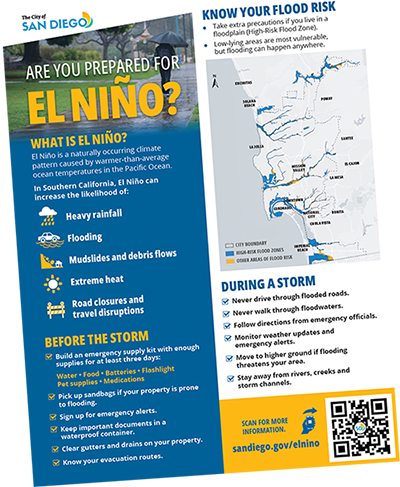
The City of San Diego is preparing for significant impacts from an El Niño that the National Weather Service is predicting will intensify during the fall and winter of 2026 and 2027. In September, Gov. Gavin Newsom declared a state of emergency for California to mobilize resources coastal erosion, flooding, mudslides and winter storms.
Because these conditions have the potential to impact communities across the city, it is critical to understand the risks and take steps to prepare.
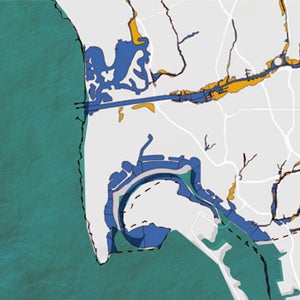
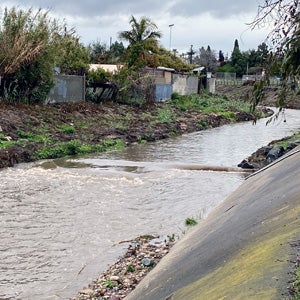
Stormwater drainage systems in the public right of way are designed for typical rain events. An excessive amount of rain, especially in a short period of time, could overwhelm the City’s stormwater system and cause flooding.
Stay Ready San Diego! It’s everyone’s responsibility.
What is an El Niño?
The term El Niño (Spanish for "the Child") refers to a warming of the ocean surface, or above-average sea surface temperatures, in the central and eastern tropical Pacific Ocean. The low-level surface winds, which normally blow from east to west along the equator (“easterly winds”), instead weaken or, in some cases, start blowing the other direction (from west to east or “westerly winds”).
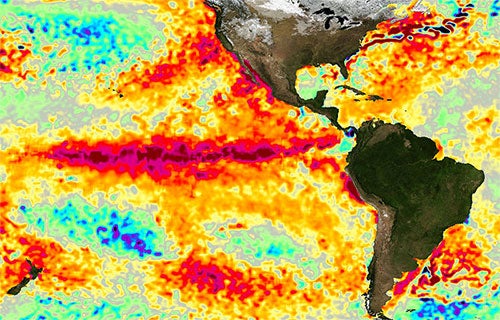
What San Diego can Expect from an El Niño
- Heavier than usual rainfall – stronger winds, flooding
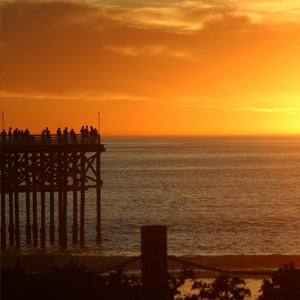
- Coastal impacts – Larger and stronger surf, beach erosion, coastal flooding
- Extreme heat
- Mudslides
- Power outages
- Infrastructure impacts
- Downed trees
- Travel challenges – Hazardous driving conditions, flooded roadways
Preparing Your Family for El Niño
Have a portable emergency go kit. Make sure valuables, documents and medications are readily available and in waterproof containers.
Have an evacuation plan. Don't forget to plan ahead for your pets.
Add emergency apps with alerts to your phone. Download...
Monitor weather conditions through alerts and weather forecasts.
Make sure your car is in good condition, check windshield wipers and tires.
Have flashlights handy.
Secure trash and debris.
If traveling, be aware of traffic signal outages, downed power lines and road conditions.
Preparing Your Home and Property for El Niño
Floods can happen anywhere. Most homeowners insurance does not cover flood damage. Flood insurance is a separate policy that can cover buildings, the contents in a building, or both, so it is important to protect your most important assets. Learn more at FloodSmart.gov.
Do You Rent? Know Your Rights
Know your rights as a renter if your family or property is affected by weather damage.
Sandbags
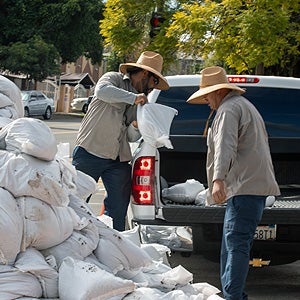
Pick up free sandbags to place around areas prone to flooding, while supplies last. You must fill the sandbags yourself.
Empty sandbags are available at the following recreation centers. Sandbags are limited to 10 bags per City of San Diego household or business. Sand can be purchased at local hardware and home improvement stores. Taking sand from the beach or bay is NOT permitted.
- Council District 1 - Pacific Beach Recreation Center, 1405 Diamond St.
- Council District 2 (inland) - North Clairemont Recreation Center, 4421 Bannock Ave.
- Council District 2 (coastal) - Robb Field Athletic Area, 2525 Bacon St.
- Council District 3 - Golden Hill Recreation Center, 2600 Golf Course Drive.
- Council District 4 - Martin Luther King Jr. Recreation Center, 6401 Skyline Drive.
- Council District 5 - Scripps Ranch Community Recreation Center, 11454 Blue Cypress Drive.
- Council District 6 - Standley Recreation Center, 3585 Governor Drive.
- Council District 7 - Allied Gardens Recreation Center, 5155 Greenbrier Ave.
- Council District 8 – Southcrest Recreation Center, 4149 Newton Ave.
- Council District 8 - Silver Wing Recreation Center, 3737 Arey Drive.
- Council District 9 - City Heights Recreation Swim and Tennis Center, 4380 Landis St.
Buildings and Structures
Inspect all structures, including seawalls, revetments, and bulkheads, for signs of distress, loss of material, obstructed drainage, or exposed reinforcing steel, prior to the storm season and after every storm. If significant problems are observed, the property owner may consider contacting a California-licensed engineer for maintenance suggestions.
Drains and Gutters
Inspect and remove debris from retaining wall drains, surface drains, culverts, and gutters prior to the storm season. Storm water runoff should be directed into appropriate drainage control areas to avoid excessive soil saturation.
Roofs
Inspect roofs to check for loose tiles, holes, or other signs of distress.
Outdoor Areas
Bare Ground
Inspect large bare areas that may be sources for mudflows during a storm event. Consider covering or vegetating bare areas prior to the storm season. Consider covering and securing mounds of loose soil or fill material.
Slopes
Inspect all sloped areas for signs of erosion gullys, surface cracks, and slumping. Inspect buildings, patios, retaining walls, and garden walls for signs of cracking or rotation, which may indicate slope movement has occurred. If signs of slope movement are observed, the property owner may consider contacting a California-licensed geologist or geotechnical engineer for a site inspection.
Vegetation
Inspect trees and bushes. Clear anything that could be a hazard from around the home.
Follow National Weather Service San Diego